
Could AI Help Reduce Flight Delays? The FAA Is Putting It to the Test

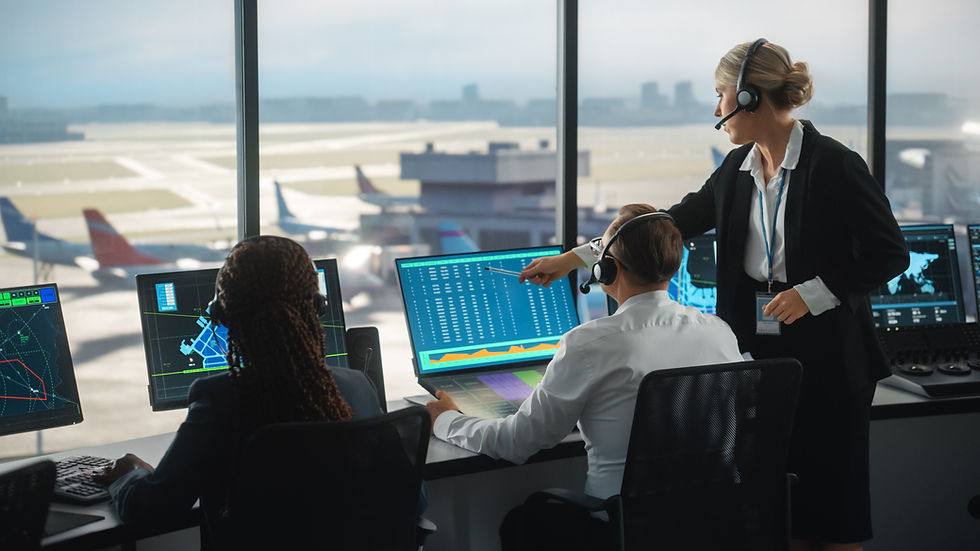
The Federal Aviation Administration (FAA) is introducing new artificial intelligence (AI) technology that could help reduce flight delays, improve efficiency, and change how air traffic is managed across the country.
The technology is part of a broader effort to modernize the nation's air traffic control system. While federal aviation officials see potential benefits, some members of Congress are raising questions about safety testing and oversight.
For travelers, the question is whether new technology can make flying more reliable while maintaining the highest standards of aviation safety.
How Does the New Technology Work?
On September 21, the FAA announced the introduction of Strategic Management of Airspace, Routes, and Trajectories (SMART), a new system developed by Air Space Intelligence.
SMART brings together information from more than 200 data streams, including weather forecasts, airline schedules, airport capacity, and air traffic patterns. Using AI-supported predictive technology, the system helps aviation personnel identify potential congestion and disruptions before they occur.
For example, when severe weather threatens a major airport, SMART could help air traffic managers anticipate how those conditions might affect other flights and make adjustments earlier.
The technology was initially introduced in the Washington, D.C., region, serving airspace around Reagan National, Dulles International, and Baltimore/Washington International airports.
Importantly, SMART does not replace air traffic controllers or make decisions about flying aircraft. It provides additional information to help aviation professionals manage flight operations.
What Could This Mean for Travelers?
Flight delays often extend well beyond the airport where a disruption begins.
A thunderstorm in Atlanta, for example, can delay an aircraft scheduled to operate several additional flights throughout the day. Those delays can then affect travelers in cities hundreds of miles away.
The FAA hopes SMART will help aviation personnel anticipate these situations and respond before disruptions spread throughout the national airspace system.
For travelers, the potential benefits include:
Fewer flight delays and cancellations: Identifying potential disruptions earlier could help reduce interruptions to scheduled flights.
More reliable flight schedules: Improved coordination could help airlines and airports manage traffic more efficiently.
Faster recovery after severe weather: Better forecasting could allow aviation personnel to adjust operations sooner.
Improved efficiency: More effective use of airspace and flight scheduling could help reduce unnecessary operating costs.
While these improvements could benefit travelers nationwide, it is still too early to determine how much SMART will improve flight performance.
Why Are Lawmakers Raising Safety Questions?
Despite the potential benefits, the technology has drawn scrutiny from members of Congress. On October 13, more than two dozen lawmakers called on the FAA to pause SMART's deployment until the agency provides additional information about its safety testing and implementation.
In a letter to Transportation Secretary Sean Duffy and FAA Administrator Bryan Bedford, lawmakers questioned whether the system had undergone sufficient evaluation and whether aviation personnel received appropriate training.
They also requested more information about how the technology performs under challenging conditions and how its recommendations are reviewed.
The lawmakers have asked the FAA to respond by October 19.
Federal aviation officials maintain that SMART is intended to assist air traffic controllers, not replace their judgment.
The questions raised by lawmakers do not establish that SMART is unsafe. Rather, they reflect concerns about how new technology is evaluated and introduced into an aviation system where safety is the highest priority.
Modernizing America's Air Traffic Control System
SMART is part of a much broader effort to modernize the nation's air traffic control infrastructure.
Many of the systems supporting U.S. air traffic operations have been in service for decades. Updating this infrastructure has become increasingly important as the aviation industry works to improve reliability, manage growing demand, and reduce disruptions.
The broader modernization effort, including the Modern Skies initiative, has received support from aviation industry stakeholders who recognize the need for continued investment in the national airspace system.
Modern technology offers opportunities to improve flight management, strengthen operational efficiency, and support the aviation professionals responsible for keeping aircraft moving safely.
For travelers, these improvements could eventually mean more dependable flight schedules and fewer disruptions.
At the same time, new technology must undergo appropriate testing, training, and oversight before its benefits can be fully realized.
What Happens Next?
The FAA intends to expand SMART beyond the Washington, D.C., region as the technology develops.
However, lawmakers are seeking additional information about the system's testing, performance, and safeguards before broader implementation.
Its effectiveness will ultimately depend on how well it performs in real-world conditions and how successfully it supports aviation personnel in managing the nation's airspace.
For travelers, SMART represents a promising development in the effort to improve flight reliability and modernize American aviation.
Affordable Skies supports continued investment in modernizing the nation's aviation infrastructure while maintaining the highest standards of safety. Improvements that reduce disruptions, strengthen reliability, and support efficient airline operations can benefit both travelers and the aviation industry.
As the FAA continues introducing new technology, Affordable Skies will follow these developments and their potential impact on the flying experience.


Comments